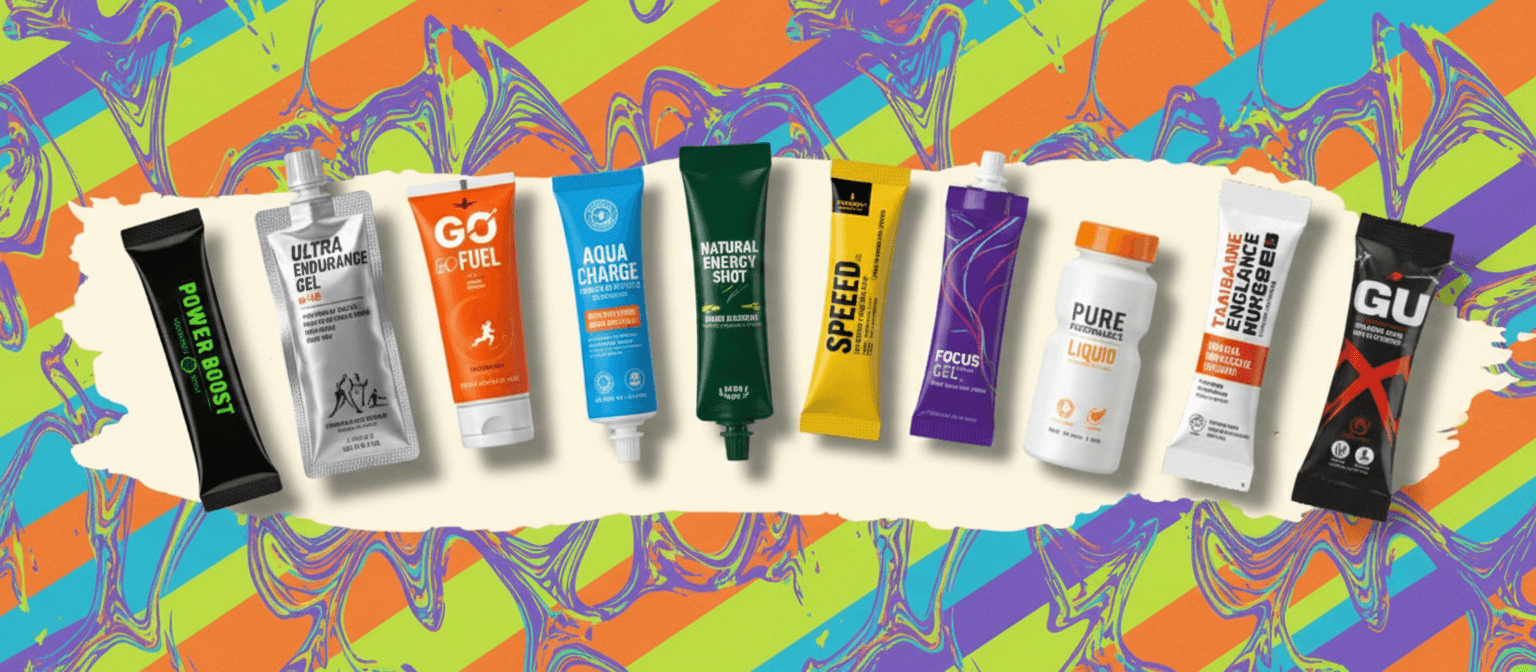
Cheapest Running Gels: Budget Fuel That Actually Works
There’s a special kind of heartbreak that comes from paying £3 for a tiny sachet of beige sludge, squeezing it into your mouth at mile 14, and realising it tastes like wallpaper paste. Yet somehow, we keep doing it. As club runners chasing PBs on muddy towpaths and windswept long runs, we’re constantly hunting for the cheapest running gels that won’t bankrupt us before race day.
I learned this the hard way during a soggy Sunday long run. Four gels in, £12 lighter, stomach threatening mutiny. Meanwhile, Dave from the club was cruising along on jelly babies and half a malt loaf. That’s when it clicked: you don’t need fancy branding to fuel well. You just need carbs, timing, and a bit of supermarket creativity.
Why Expensive Gels Cost So Much (And Why It’s Mostly Nonsense)
Let’s be honest. Most branded gels are just flavoured sugar with electrolytes. Yes, they’re convenient. Yes, they’re lightweight. But they’re also massively marked up.
According to Runner’s World, runners generally need 30 to 60g of carbs per hour during long efforts. That’s achievable with real food at a fraction of the price.
So what are you paying for?
- Marketing
- Fancy packaging
- Endorsements
- “Pro Formula” buzzwords
Meanwhile, your local Tesco is selling the same energy for pennies.
Cheapest Running Gels and Supermarket Alternatives
If you’re serious about finding the cheapest running gels, start in the sweets aisle, not the sports section.
1. Jelly Babies and Wine Gums
- Cost: ~£1 per bag
- Carbs: ~70g per 100g
- Convenience: Surprisingly good
Jelly babies are basically glucose delivery systems dressed up as childhood nostalgia. They’re fast-acting, easy to portion, and widely accepted in UK running culture. Many parkruns practically run on them.
Downside? Sticky fingers. And chewing when you’re gasping uphill is character-building.
2. Malt Loaf: The National Fuel of Club Runners
- Cost: ~£1 per loaf
- Carbs: ~60g per 100g
- Satiety: High
Malt loaf is legendary. Squidgy, sweet, and oddly comforting at mile 18 when your life choices are under review.
A slice delivers slow and fast carbs, making it perfect for long training runs. Spread with peanut butter and you’ve got elite-level fuel for about 20p.
Downside? It sticks to your teeth like industrial adhesive.
3. Cereal Bars and Flapjacks
- Cost: 20p to 50p each
- Carbs: 20 to 30g per bar
- Portability: Decent
Oat bars, flapjacks, and honey slices are budget gold. They’re easy to find, easy to stash, and much kinder to your bank account than gels.
Look for low-fibre versions for race day. Your stomach will thank you.
4. Bananas and Dried Fruit
- Cost: ~15p per banana
- Carbs: ~23g per banana
- Messiness: High risk
Bananas are nature’s original gel. Cheap, effective, and full of potassium.
Dried fruit like raisins and dates works even better. Lightweight, sugary, and easy to portion.
Downside? Squashed banana in your shorts is a life experience you only need once.
Homemade Running Electrolytes That Don’t Cost the Earth
You don’t need £25 tubs of powder. You need water, sugar, and salt.
Runner’s World recommends a 5 to 7 percent carb solution for endurance efforts. That’s easy to make at home.
Basic DIY Electrolyte Drink
- 500ml water
- 2 tablespoons sugar or honey
- Pinch of salt
- Splash of squash or lemon
Cost: About 5p per bottle.
That’s it. You’ve just made your own sports drink.
Fruit Juice Version
- 300ml water
- 200ml apple or orange juice
- Pinch of salt
This delivers roughly 35 to 40g of carbs per bottle. Perfect for long runs.
Does This Actually Work in Races?
Short answer: yes, if you practise.
According to Athletics Weekly, the average London Marathon finisher now takes around 4 hours 40 minutes. That’s nearly five hours on your feet.
Without steady fueling, you will bonk. No exceptions.
I’ve personally run marathons on:
- Jelly babies
- Malt loaf
- DIY drink
- One emergency gel
Result? Not glamorous. No Instagram sponsorship. But no catastrophic blow-up either.
Real Talk: Pros and Cons of Budget Fuel
The Pros
- Massive cost savings
- More flexible fueling
- Less reliance on brands
- Better everyday training habits
The Cons
- More chewing
- More mess
- Less convenience
- Requires testing
You still get black toenails. You still wake up at 5am in the rain. You still question your life at mile 18. Cheap fuel doesn’t fix that.
But it does stop your bank balance collapsing before your legs do.
How to Combine Budget Fuel With Your Training
Use real food for training. Save gels for racing if needed.
For example:
- Easy runs: Nothing or banana
- Long runs: Jelly babies + DIY drink
- Race: Mix of budget fuel and trusted gels
This approach builds gut tolerance and saves money.
You can also pair this with recovery strategies like those in our running recovery guide and marathon training plans.
Final Thoughts: The Truth About the Cheapest Running Gels
Here’s the honest answer.
The cheapest running gels aren’t always gels at all.
They’re jelly babies in your vest. Malt loaf in your pocket. Sugar in your bottle. And experience in your legs.
You don’t need flashy branding to run well. You need consistency, carbs, and a bit of stubbornness.
So next time you’re standing in the sports aisle debating a £3 gel, walk five metres to the sweets section instead.
Your legs will still hurt.
But your wallet won’t.