What to Eat Before a Run: Simple UK Fuel That Actually Works
It’s 5:47am. The alarm went off twelve minutes ago. It’s raining – obviously it’s raining, this is Britain. You’ve got a 10-miler planned along the towpath and one very pressing question: do you eat something, or do you risk it on an empty stomach and spend miles 6 through 10 plotting your own funeral?
Knowing what to eat before a run is genuinely one of the most underrated bits of running knowledge you can have. Get it wrong and you’re either bonking at the 8km mark or pulling a very undignified stop behind a bush with what the running community politely calls “a dodgy stomach.” Get it right and you feel like an actual human being for once. Let’s sort this out properly.
Why Pre-Run Nutrition Actually Matters
Your muscles run on glycogen – basically stored carbohydrate. For easy recovery jogs or a gentle Parkrun warm-up, you might be absolutely fine with whatever you had the night before still knocking around in your system. But for anything longer than 45-50 minutes, or any session with intervals at the track, you want some fuel on board before you head out.
According to NHS guidance on carbohydrates, starchy carbs are your body’s preferred energy source during moderate to high intensity exercise. Translation: toast is not just a comfort food, it is a performance tool. You’re welcome.
The golden rule is timing. Eat too close to your run and you’ll feel like you’re carrying a brick. Too far out and you’ll be running on fumes. Aim for a proper meal 2-3 hours before, or a small snack 30-60 minutes out if you’re dashing out the door at dawn.
What to Eat Before a Morning Run: The Practical Options
Right. You don’t have time for a nutrition degree. Here’s what actually works, all of it from your standard Tesco, Sainsbury’s, Aldi or Lidl.
The 30-60 Minute Window (Quick Snacks Before Heading Out)
If you’re the sort of person who sets a 5am alarm and still somehow ends up leaving the house at 5:43, this is your section. You need something small, fast-digesting and not going to rebel on you at mile 4.
- A banana. The classic for a reason. Around 27g of carbohydrate, easy on the gut, costs about 15p. There is genuinely no easier pre-run snack in existence.
- A slice of white toast with a thin scrape of peanut butter. A touch of fat and protein slows things down slightly, but it’s still gentle enough for a shorter run. Keep it to one slice.
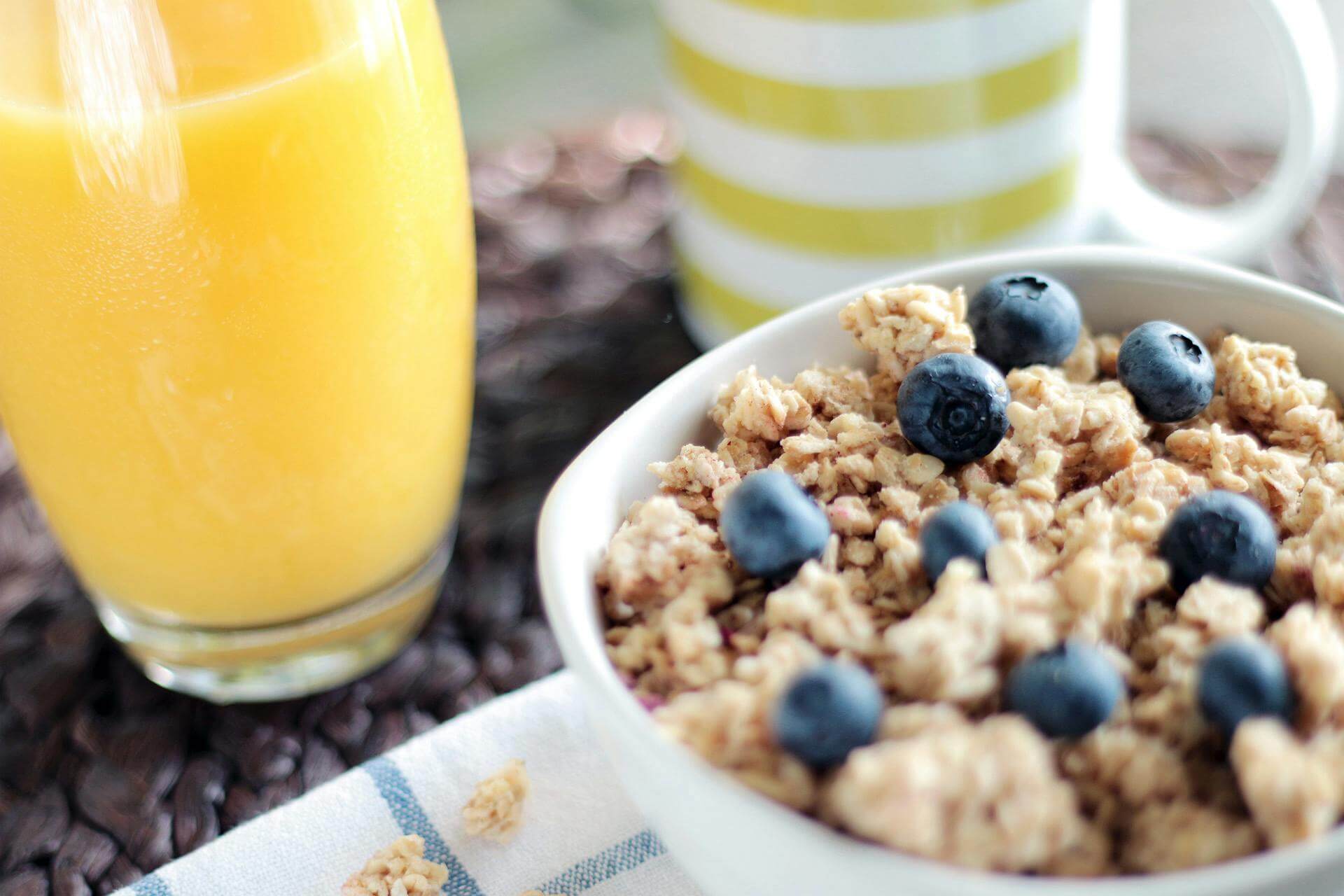
- A small bowl of porridge oats. Tesco own-brand porridge oats: about 75p for 500g. Slow-release carbs, gentle on the stomach, works brilliantly 45-60 minutes out. Add a drizzle of honey if you want a slightly quicker energy hit.
- A small glass of orange juice and a couple of oatcakes. Sounds odd. Works a treat. The juice gives you a quick sugar boost, the oatcakes offer a bit of sustain.
- A medjool date or two. Available in most big supermarkets now. Quick-release natural sugars, easy to digest, zero faff. Marathon runners have been quietly using these for years.
The 2-3 Hour Window (Proper Pre-Run Breakfast)
If you’re the rare and mythical creature who gets up properly early, or if your run is later in the day, you can go bigger. Think about easy-to-digest carbohydrates with a modest amount of protein, and go easy on fat and fibre – both slow digestion and are your enemy during a 10K at pace.
- Porridge with banana and honey. The undisputed king of pre-run breakfasts. Affordable, filling, utterly boring in the best possible way.
- Scrambled eggs on white toast. Two eggs, two slices of white bread. The eggs give you protein to help with muscle support, the toast gives you carbs. Simple.
- Bagel with jam or honey. Bagels are underrated in the running world. They’re dense, carb-heavy and sit well. Asda do a solid 5-pack for under £1.50. Add jam rather than cream cheese if your run is within 2 hours.
- Rice cakes with banana. Sounds like a punishment. Actually very effective. Light, easily digested and the rice gives you a gentle carb base without the bloating risk of something heavier.
- Overnight oats. Prep the night before with oats, skimmed milk and a bit of fruit. Pull it from the fridge in the morning. Elite move. Minimal effort.
Foods to Avoid Before a Run (Learn From Everyone Else’s Mistakes)
Just as important as knowing what works is knowing what to leave well alone. The following are a bad idea, especially before longer runs or anything with quality sessions in it:
- High-fibre foods like bran-heavy cereals, beans or lentils. Your gut will make itself known. Loudly.
- Spicy food the night before is a classic trap. That vindaloo at 8pm will absolutely make its feelings known at mile 5.
- Lots of fat close to your run. Full English, avocado toast loaded with toppings, full-fat yoghurt. All great foods. Just not 45 minutes before a threshold session.
- Caffeine on an empty stomach can cause GI issues in some runners. Have your coffee, but pair it with something solid.
- Too much of anything. Portion control is key. A huge bowl of pasta 90 minutes before your Sunday Long Run is not carb-loading, it’s a hostage situation.
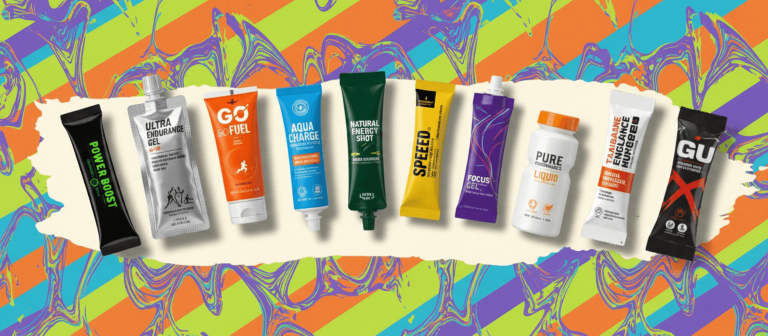
For longer runs over 90 minutes, you’ll also want to think about fuelling during the run itself. Our guide on the cheapest running gels that actually work is a solid next read once you’ve nailed your pre-run routine.
Hydration: The Bit Everyone Forgets
You can have the perfect pre-run breakfast and still feel rubbish if you’re dehydrated. Runner’s World recommends drinking around 500ml of water in the 2 hours before a run, sipping rather than gulping. For most British club runners doing morning runs, this means drinking something when your alarm goes off, not just as you’re lacing up your trainers.
Plain water is fine for runs under an hour. For anything longer, especially in warmer months (both of them), consider adding an electrolyte tab to your bottle. High5 Zero tabs are widely available, inexpensive and do the job without making your drink taste like a swimming pool.
Quick Reference: Timing Guide
- 3+ hours before: Full meal with carbs, moderate protein, low fat
- 2 hours before: Porridge, bagel with jam, eggs on toast
- 60 minutes before: Banana, oatcakes, small bowl of porridge
- 30 minutes before: Banana, a couple of dates, small glass of juice
- Right before (emergency fuel only): Half a banana. That’s it. Anything else is a gamble.
It’s also worth experimenting during training rather than race day. The worst possible time to try a new breakfast is the morning of your goal race. Ask anyone who’s learned that the hard way. Spoiler: it’s most of us.
If you’re newer to running and still building your base, our beginner’s guide to running in the UK covers the foundations alongside fuelling tips to help you get started properly.
Real Talk
Pre-run nutrition doesn’t need to be complicated or expensive. The basics work: carbohydrates give you energy, timing matters more than most people think, and a banana is still one of the best bits of running technology ever invented. Start simple. A bowl of porridge or a slice of toast and a banana before your next run will do more for your performance than any fancy supplement.
Avoid the high-fibre disasters, go easy on fat close to your run, and please – drink some water before you leave the house. Your body (and everyone around you at Parkrun) will thank you for it.
Black toenails, soggy trainers, 5am rain alarms – we deal with all of it. But a bonk at kilometre 7 because you didn’t eat? Entirely preventable. Now go make some toast.
Want to go deeper on running fuel? Check out our full guide to budget running gels for everything you need to know about fuelling on the move.