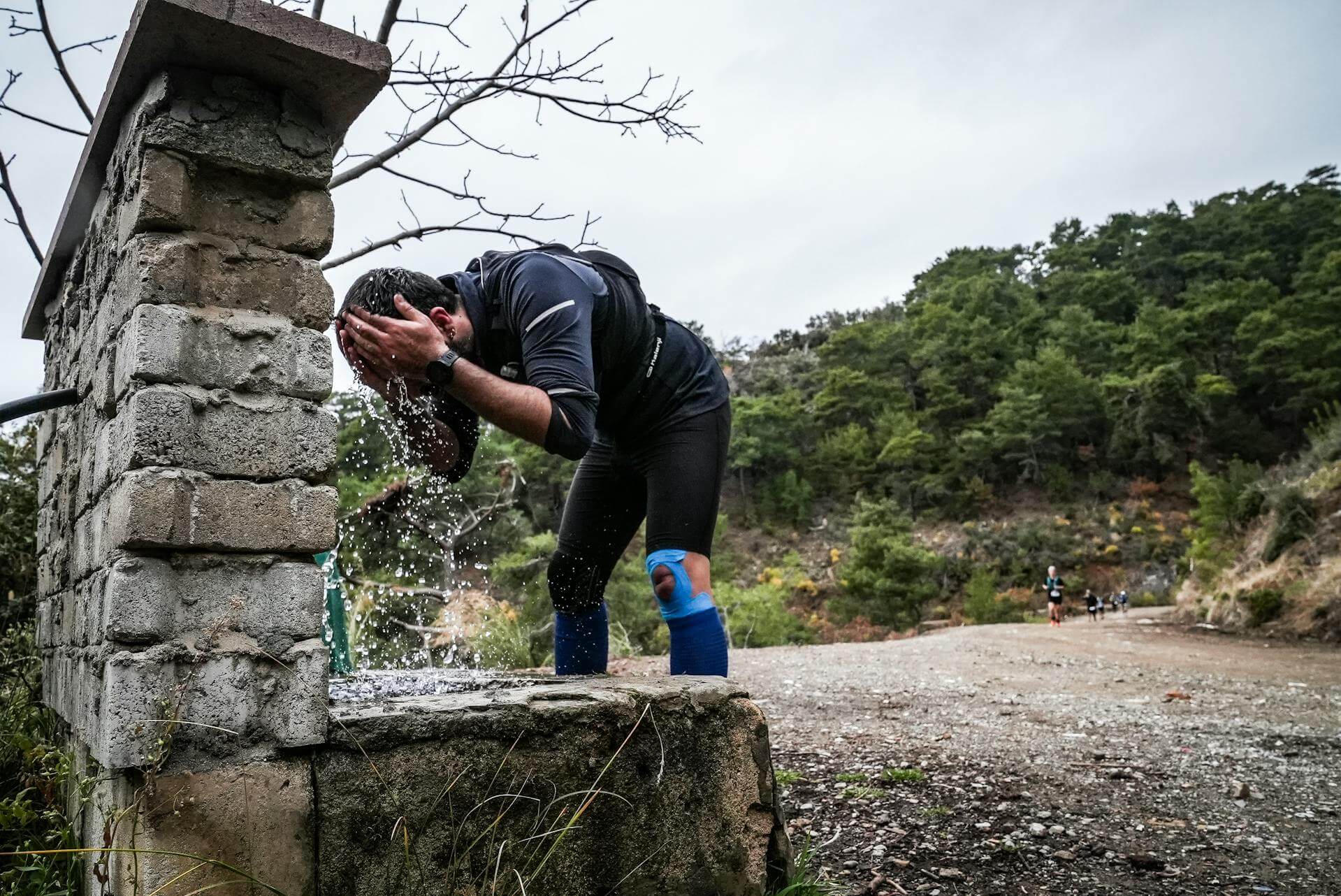
Trail Running: The Road Runner’s Survival Guide to Mud, Roots and Bruised Dignity
It started, as most terrible ideas do, at parkrun. Someone mentioned a local trail race. “It’s only 10K,” they said. “Lovely views,” they said. Nobody mentioned the ankle-deep bog at kilometre three, the hill that appeared to have been stolen directly from a fell race, or the fact that my road trainers – beautiful, pristine, entirely inappropriate road trainers – would spend the next fortnight drying out in the garage next to a bag of silica gel and my self-respect.
If you’re a road runner thinking about dipping a toe into trail running, this is the guide I desperately needed and absolutely did not have. Strap in. Possibly literally.
Why Trail Running Will Ruin You (In the Best Way)
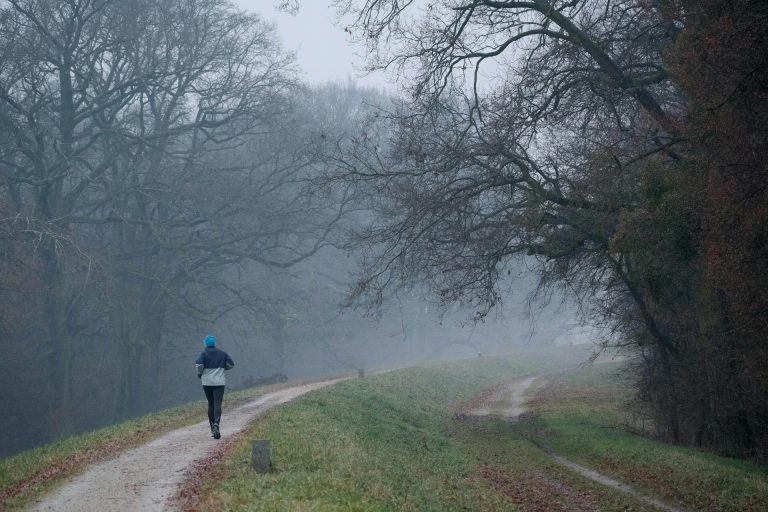
Here is the thing about trail running that nobody tells you upfront: it is slower, muddier, more chaotic, and significantly more fun than running on tarmac. Your GPS pace will look catastrophic. Your quads will file a formal grievance. Your shoes will never fully recover. And yet, something about navigating a gnarly root-strewn bridleway at 7am on a Sunday hits differently to the dual carriageway loop you’ve been doing since 2019.
According to Runner’s World, trail running participation in the UK has grown significantly over the past five years, with more road runners using off-road routes to build strength and reduce injury risk from repetitive road impact. Your knees, counterintuitively, might actually thank you. Your ankles, however, will need a chat first.
Trail Running Shoes: This Is Where the Money Goes
Right. Kit. Let’s talk about the bit that will almost certainly lead you to spending money you don’t have on shoes you absolutely need.
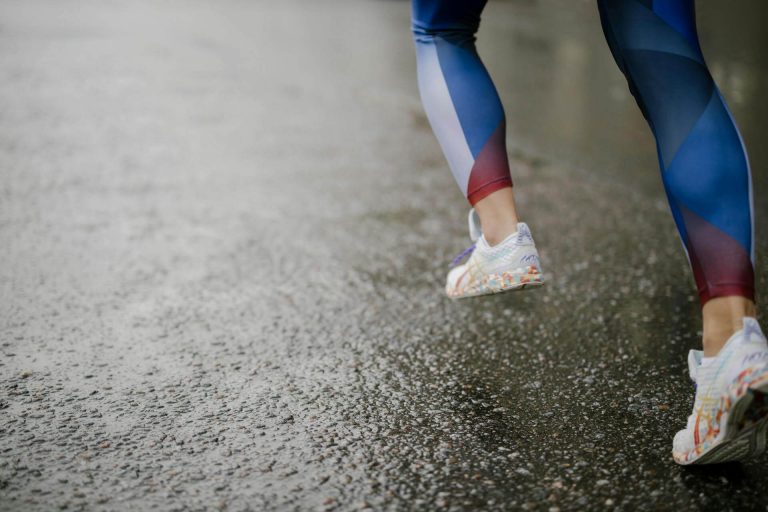
Road shoes on trails are not just suboptimal – they are a commitment to falling over. Road trainers are built for cushioning and forward propulsion on flat, predictable surfaces. Trail running shoes are built for grip, lateral stability, and the kind of mud that has ambitions. The lugs on the outsole – those sticky rubber nobbles – are what keep you honest on a slippy descent.
What to look for in a trail shoe:
- Aggressive lug depth of at least 4-6mm for UK mud conditions (deeper for fell running, slightly shallower for hard-packed trails)
- A lower heel-to-toe drop than your road shoes if you’re transitioning gradually – many trail shoes sit around 4-8mm drop versus the 10-12mm on typical road trainers
- Rock plate protection if you’re running on technical, rocky terrain – your feet will thank you when you land on a flint the size of a cricket ball
- A snug but not strangling fit in the heel – you don’t want your foot sliding forward on descents
Brands like Inov-8 (practically British heritage at this point) and Hoka Speedgoat are consistently well-regarded for UK trail conditions. Expect to spend between £100-£160 for a decent pair. Yes, really. No, your old Asics won’t do.
Do You Actually Need a Hydration Vest?
For anything under 90 minutes on well-marked trails – no, probably not. A handheld bottle or a simple running belt is fine. For longer efforts, more remote routes, or any race that takes you somewhere a bit wild, a vest becomes genuinely useful. They also make you look extremely serious, which is its own reward. Just be warned: once you own a vest, you will start eyeing up ultras. This is not reversible.
Off-Road Running Technique: How to Not Cartwheel Down a Hill
Trail running technique is different to road running. Not wildly different. But different enough that ignoring it will land you face-first in the bracken.
The key adjustments for off-road running:
- Shorten your stride on technical terrain – smaller, quicker steps give you more time to react to what’s underfoot
- Look ahead, not down – yes, constantly scanning for roots is exhausting, but scanning 2-3 metres ahead gives you time to actually adjust
- Use your arms for balance on descents – they’re not just decorative
- Walk the uphills without shame – power hiking steep climbs is what the elites do, so it’s basically mandatory
- On muddy descents, lean slightly forward and keep your weight central – leaning back is the enemy and will send you sliding like a cartoon character
The fell running community has been navigating brutal British terrain for decades – if you want to go deeper on technique, watching fell race footage is worth an hour of your life. Those people are extraordinary and slightly unhinged.
One realistic downside: your road pace is completely irrelevant on trails. If you’re used to running 5:30/km on tarmac, expect 7:00-8:30/km or more depending on the terrain. This is not failure. This is physics. Adjust accordingly and stop letting your watch upset you.
Trail Running for Beginners: Building Up Sensibly
The single most common mistake road runners make when moving to trail running for beginners routes is treating it like a road run with prettier scenery. It is not. The muscular demands are different – your stabiliser muscles, ankles, hips and glutes work significantly harder on uneven ground. Going too far, too fast, too soon is how you end up with a rolled ankle and a very expensive physio bill.
A sensible progression:
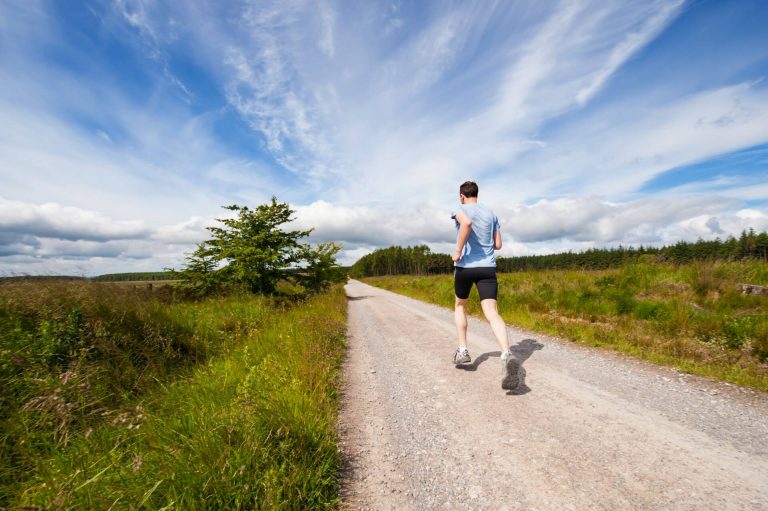
- Start with well-maintained, relatively flat trail routes – canal towpaths, gravel paths, bridleways – before committing to proper technical terrain
- Run trails once or twice a week alongside your road training rather than replacing it entirely from day one
- Build up time on feet rather than pace or distance – 45-60 minutes of easy trail effort is enough to begin with
- Do single-leg calf raises and ankle stability work at home – unglamorous, effective, and something you’ll forget to do until you’ve already twisted your ankle once
Check out the Running Injuries guide on The Easy Run before you start – knowing the difference between normal adaptation soreness and something that needs attention will save you a lot of Googling at midnight.
Mud Running Gear: The Stuff That Actually Matters
Beyond shoes, the gear list for UK trail running is mercifully simple. But get the basics wrong and you’ll have a miserable time.
- A lightweight waterproof or wind shell – British weather does not care about your race schedule
- Merino or synthetic socks with some ankle height – your feet will thank you when the trail becomes a stream, which it will
- Gaiters for serious mud – they look ridiculous and they work brilliantly, which is a very on-brand British running experience
- A headtorch if you’re running before dawn or after dusk in autumn and winter – Petzl make solid, reliable options
- A basic first aid kit and navigation if you’re going somewhere genuinely remote – the NHS recommends telling someone your route and expected return time, which sounds basic because it is, and yet
One more thing worth mentioning: trail running nutrition. Your body burns through energy faster on technical terrain than on roads, even at lower speeds, because of all the stabilisation work happening below the knee. If you’re out for more than an hour, bring food. The Easy Run’s fuelling guide covers the basics in a way that won’t make your head hurt.
Real Talk
Trail running will make you slower on Strava. It will make your shoes disgusting. It will introduce you to muscles you didn’t know you had and hills that have no business existing in England. It will absolutely, definitely require you to spend money on at least one pair of proper trail shoes.
It will also make you a better, stronger, more rounded runner. The variety in terrain builds proprioception and ankle resilience. The constant mental engagement – reading the ground, adjusting your line, not dying – keeps things interesting in a way that an out-and-back on familiar roads genuinely can’t. And the views, when you do get them, are legitimately worth the mud.
Start small. Get the right shoes. Walk the hills without guilt. And if you’re looking for company on your first off-road outing, finding a local running club with a trail group is probably the best decision you’ll make – read why joining a UK running club is genuinely worth it and go find your people. Some of them will be weird. All of them will know where the good trails are.