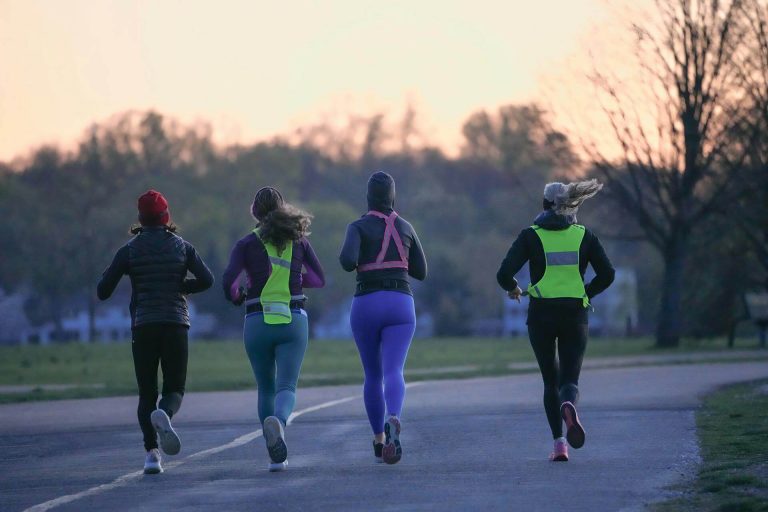
Couch to 5K: What to Do After You Graduate (The NHS App Doesn’t Tell You)
You did it. Nine weeks of dragging yourself out the door in October drizzle, of Laura’s voice telling you to “keep going, you’re doing brilliantly” while your lungs staged a full protest. You ran for thirty minutes without stopping. You are, officially, a Couch to 5K graduate. Stick the badge on. You’ve earned it.
And then the app went quiet.
No fanfare. No next steps. Just a slightly anticlimactic silence and the dawning realisation that the NHS Couch to 5K programme has done exactly what it promised – got you off the couch and running 5K – and now has absolutely nothing else to say to you. Cheers, Laura.
This is the bit nobody warns you about. The post-graduation gap. You’ve built the habit, your legs know what running feels like, and you have precisely zero idea what to do next. So here’s what the app doesn’t tell you.
Why Most Couch to 5K Graduates Quit Within a Month
Let’s be honest about this, because nobody else will be. Studies and surveys consistently show that a significant chunk of new runners stop running within four weeks of finishing a structured programme. It’s not laziness. It’s the structure itself – or the sudden absence of it.
When you were doing Couch to 5K, every run had a purpose. Week 5, Run 3. Twenty-minute run. Done. Simple. Now you’ve got the whole of running stretching out in front of you like an unlabelled map and no one’s telling you where to go. That’s overwhelming. And overwhelming leads to “I’ll run tomorrow.” And tomorrow is a long road.
The fix is simple: replace one structure with another. Don’t graduate into nothing. Graduate into something.
Your Immediate Next Steps After Couch to 5K
Step 1: Consolidate Before You Progress
Before you start planning your half marathon (yes, we’ve all been there, day three of running and already googling “Great North Run entry”), spend two to three weeks just running your 5K. Three times a week. Same as you’ve been doing. The goal here isn’t to get faster or go further – it’s to make running feel normal rather than like something you’ve survived.
Most new runners try to progress too fast and end up injured. Runner’s knee, shin splints, plantar fasciitis – these aren’t badges of honour, they’re the cost of doing too much too soon. Boring advice, but genuinely the most important thing in this entire article.
Step 2: Do a Parkrun
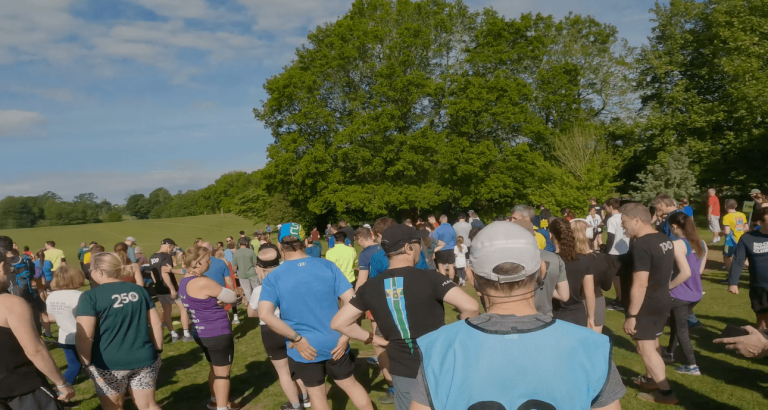
If you haven’t already, go to Parkrun this Saturday. Right now, while you’re reading this, register. It’s free. It’s 5K. It’s every Saturday morning at 9am in parks across the UK. There will be marshals, other humans, a barcode, and someone slower than you (there always is).
Parkrun solves the “I don’t know where to run” problem and the “I’ll probably talk myself out of it” problem in one go. You’ve committed to a time and a place. Bring a spare pair of socks because Britain.
It also introduces you to the entirely mad world of UK club running, which is either the best thing you’ll ever do or a rabbit hole you’ll never climb out of. Possibly both. We’ve written about why joining a running club is worth it if you want to go down that particular hole.
Step 3: Sort Out Your Kit (Properly This Time)
Here’s the thing. The trainers you’ve been using for Couch to 5K might be completely wrong for your gait. Maybe you’ve been running 27 sessions in a pair of New Balance from three years ago that were originally bought for “general gym use.” This is fine for nine weeks. It is less fine for the next nine months.
Go to a specialist running shop and get a gait analysis. Many will do it free. They’ll watch you run on a treadmill, make some knowing noises, and sell you a shoe with the correct drop and support. The average heel-to-toe drop in a neutral trainer sits around 8-10mm, but motion control shoes can go lower. None of that matters right now – what matters is someone who knows what they’re looking at helps you pick something that isn’t going to destroy your knees.
Also: get proper running socks. Two pairs minimum. The blister you’ve been ignoring will thank you.
The Couch to 5K Graduate’s First 8-Week Plan
Right. Here’s an actual plan you can follow after graduating. This isn’t designed to make you fast. It’s designed to keep you running and build your weekly mileage sensibly, adding no more than 10% distance per week – which is the broadly accepted safe threshold for new runners.
- Weeks 1-2: Three runs per week, 5K each. Easy pace – you should be able to hold a conversation. Consolidation phase.
- Weeks 3-4: Two runs of 5K, one longer run of 6-6.5K. Still easy. Do one of the short runs as a Parkrun.
- Weeks 5-6: Two runs of 5K, one longer run pushing to 7-8K. This is where it starts feeling like actual training.
- Weeks 7-8: Three runs per week. Two at 5K, one at 8-9K. You’re now building the base for a 10K programme.
The long run is the engine of your progress. Keep it slow. Embarrassingly slow. If you think you’re going too slow, go slower. This isn’t a race. Well, it will be eventually – but not yet.
What to Do About Pace (And Why You Should Mostly Ignore It)
Every new runner becomes briefly obsessed with pace. You finish your first post-graduation 5K and immediately check your average per kilometre and compare it to what you assume everyone else is doing. Stop. Just stop.
For context: according to Strava’s global running data, the average recreational runner completes a 5K in around 30-35 minutes. That’s 6 to 7 minutes per kilometre. You are entirely normal. And even if you’re slower than that, you are still lapping everyone sitting on the couch.
Pace matters when you’re training for a specific time goal. Right now, your goal is to keep running. Speed comes later, after you’ve built a base. Trust the process, as every slightly annoying running account on Instagram will tell you. They’re not wrong about this particular thing.
Should You Aim for a 10K Next?
Yes. Probably. Eventually. The jump from 5K to 10K is more mental than physical, which is reassuring and mildly terrifying in equal measure. Once you’ve completed the consolidation phase above and you’re comfortably running 8K on your long run, you’re in great shape to start a structured 10K programme.
There are plenty of free plans available via Athletics Weekly and the major running apps. Most 5K-to-10K plans run 8-10 weeks and follow the same run/rest structure you’re already used to from Couch to 5K. Familiar territory. You’ve done harder things.
If the thought of 10K feels like too much right now, that’s fine. A faster 5K is a completely legitimate target. Sub-30 minutes is a satisfying milestone that keeps plenty of club runners motivated for years.
The Bit Nobody Talks About: Motivation After the App
The Couch to 5K app gave you external accountability. Laura. The programme. The sense of ticking off weeks. Without it, motivation becomes your own problem. This is where most people struggle, and it’s worth being honest about it.
A few things that actually help:
- Enter a race. Even something low-key like a local 5K. Money spent equals commitment made.
- Get a running buddy. Someone who’ll judge you (gently) for not showing up.
- Log your runs somewhere – Strava, a notebook, anything. The visible record of progress is genuinely motivating.
- Join a club. The social pressure is real and surprisingly lovely. See point above about the rabbit hole.
- Give yourself a rest week every fourth week. Running when you’re burnt out is how people quit.
And on the hard days – when it’s dark at half four, the pavements are wet, and your sofa is doing its most persuasive impression of a good idea – remember that you’ve already done the hardest part. Week one of Couch to 5K, sixty seconds of running felt impossible. You ran thirty minutes continuously. You are not the person who started this. That’s the whole point.
Real Talk
So. You’ve graduated Couch to 5K and the app has gone quiet. Here’s the summary: replace the structure immediately, consolidate before you push further, do a Parkrun, sort your shoes, and have a loose target to aim at. Simple. Ish.
This guide is best for: Anyone who has just finished or is close to finishing the NHS C25K programme and wants a practical, no-nonsense path forward without buying into expensive plans or gear they don’t need yet.
Who should maybe look elsewhere: If you’ve got a specific time goal or you’re returning to running after injury, you probably need a more tailored plan rather than a general “what now” guide. Also worth noting: this advice assumes you’re injury-free. If your knees, shins or ankles are already grumbling, see a physio before adding distance.
- Consolidate for 2-3 weeks before progressing
- Register for Parkrun this week
- Get a proper gait analysis done
- Add no more than 10% distance per week
- Enter a race to lock in motivation
- Ignore pace for now – base-building first
Ready to keep going? Have a read of how different types of running training work – it’ll make your next few months make a lot more sense, and you might even start enjoying the process. Stranger things have happened.