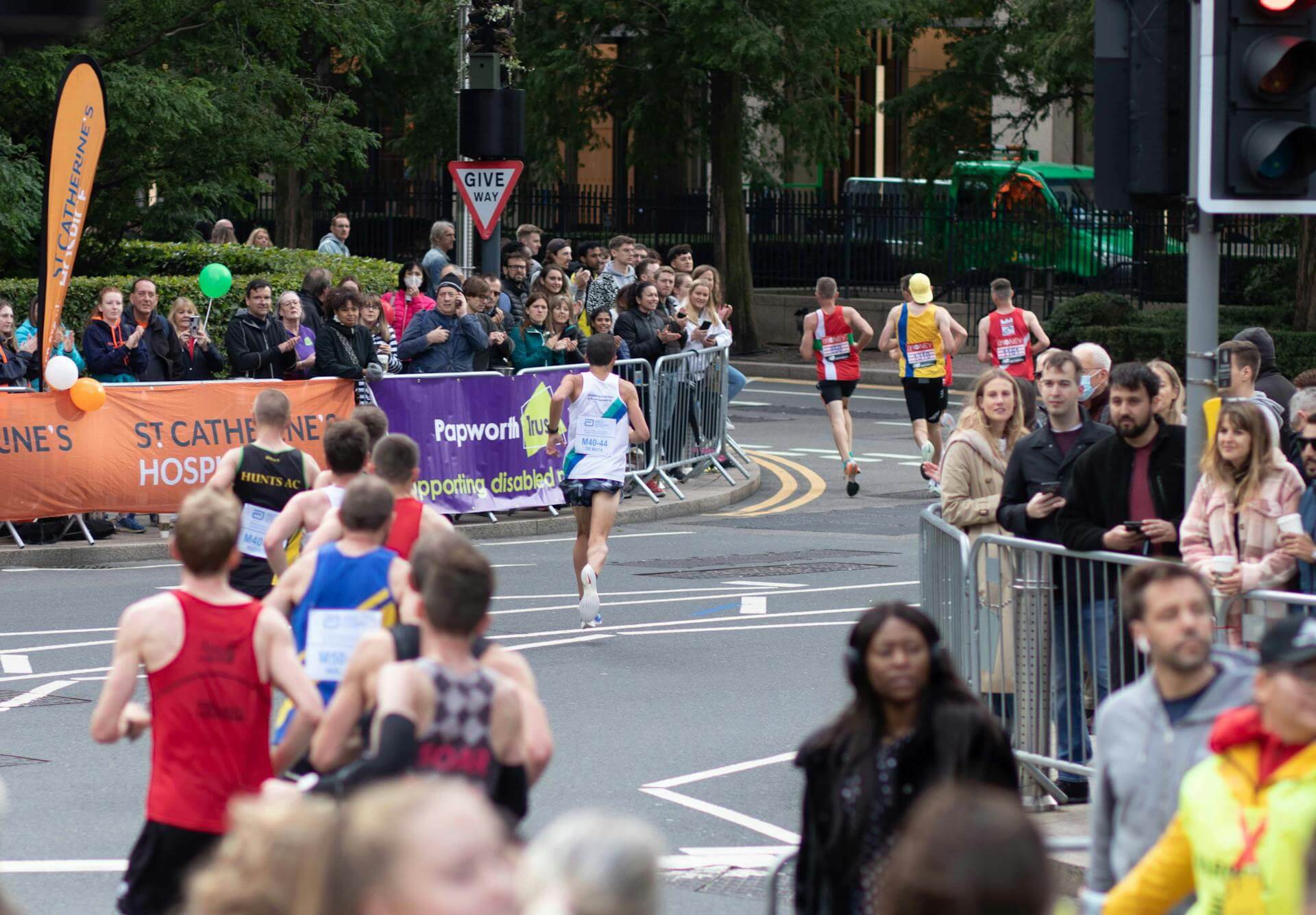
Best UK Marathons for Beginners: Flat, Fast, and Friendly Races for Your First 26.2
Table of Contents
So you’ve decided to run a marathon. Brilliant. Genuinely brilliant. You’ve also possibly lost the plot slightly, but that’s fine – we’ve all been there. The good news is that choosing from the best UK marathons for beginners can make the difference between a life-affirming first 26.2 miles and a genuine sufferfest that ends in tears, a foil blanket, and a firm vow to take up cycling instead. Picking the right race is almost as important as the training itself. Almost. You still have to do the training. Sorry about that.
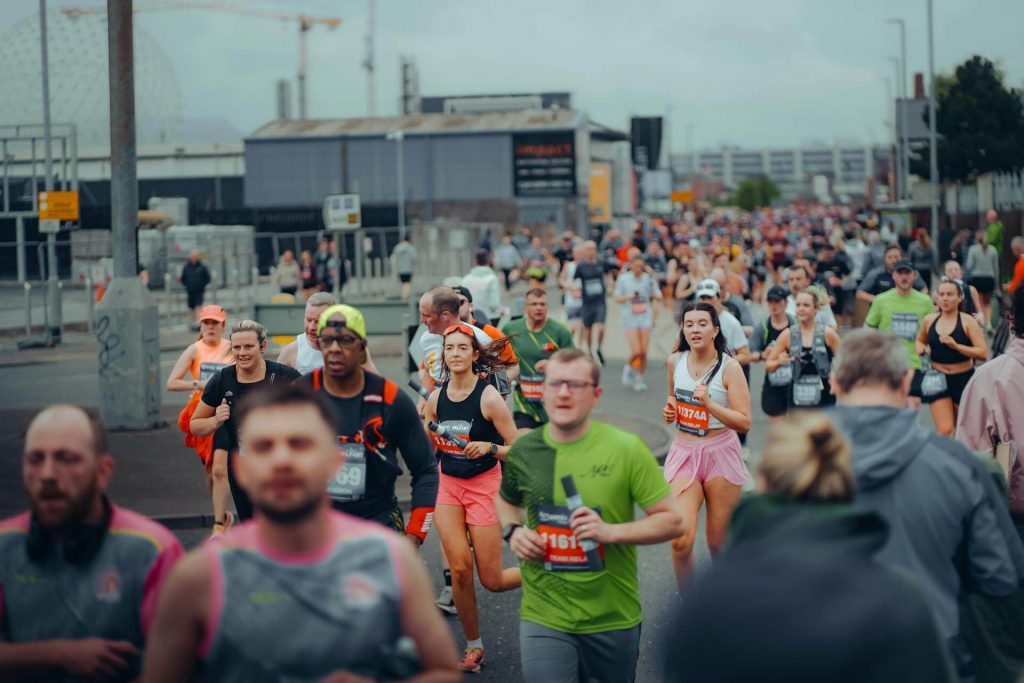
Whether you’re aiming for sub-4 hours, just want to finish upright, or have blagged a charity place and now have to actually do it, this guide covers the top beginner-friendly marathons across the UK. We’ll look at course profiles (crucially, whether they’re flat or the kind of thing that makes your quads file a formal complaint), crowd support, ballot vs open entry, and everything a first-timer needs to know on race day.
What Makes a Marathon Beginner-Friendly? Key Things to Look For
Not all 26.2-mile races are created equal. For a first marathon UK runners should look for specific features that make the whole experience manageable rather than miserable. Here’s what actually matters:
- Flat course profile: Hills are not your friend when you’ve never run this far before. Seek out flat marathons UK-wide and save the highland epics for when you actually know what you’re doing.
- Strong crowd support: This sounds optional until you hit mile 20 feeling like a wet sock, and a stranger holding a sign saying “You’re nearly there!” genuinely saves your life. Crowd support is non-negotiable for beginners.
- Good pacers: Official pacers carrying flags for target finish times (4:00, 4:30, 5:00) mean you don’t have to think. You just follow a person and hope for the best.
- Reasonable logistics: Accessible start lines, bag drops, plenty of portaloos (more on that later), and a finish line that isn’t a 40-minute bus ride from your hotel.
- Open entry or accessible ballot: Some races are ballot-only with the odds of a premium prize draw. Others you can just enter. As a beginner, you want the latter.
- Well-stocked aid stations: Water, energy gels, and the occasional banana at regular intervals. Essential.
With those criteria in mind, let’s get into the actual races.
The Best UK Marathons for Beginners: Our Top Picks
1. Manchester Marathon
If you want a flat marathon UK runners consistently rave about, Manchester is the one. The course is almost offensively flat – it loops through the suburbs of Greater Manchester and stays well below sea level throughout. Chip time is used throughout, pacers are excellent, and the crowd support is genuinely world-class, particularly through Altrincham and Sale. The finish line at Old Trafford (yes, that one) is a nice touch, even if you’re not a football person.
Open entry means no ballot faff, and the race typically takes place in April, which lines up perfectly with a winter training block starting in January. The main downside? It fills up within hours of entries opening, and the post-race medal queue can test even a freshly completed marathoner’s patience.
2. London Marathon
Let’s address the elephant in the room: the London Marathon is the big one. It’s the race that turns people into runners and runners into people who won’t stop talking about their marathon. For a first marathon UK runners dream about, the crowd support is unmatched – 750,000 spectators lining the streets from Greenwich to The Mall is something genuinely special.
The catch? It’s ballot-only for most people, with odds somewhere around 1 in 20 on a good year. Charity places are more accessible, though you’ll typically need to raise £2,000 or more. The course is largely flat with one notable hill near Canary Wharf that feels like Everest at mile 18. You can read more about the London Marathon ballot process here. Worth it? Absolutely. Straightforward? Considerably less so.
3. Milton Keynes Marathon
Milton Keynes gets unfairly mocked, but its marathon is a hidden gem for beginners. The course uses the city’s famous grid road network and dedicated cycle paths, making it one of the flattest marathons UK runners can enter. It’s typically held in May, the field is smaller and friendlier, and entry is open with no ballot required. Logistics are straightforward, and the city centre finish is easy to navigate. The downside is honest: crowd support is thinner than the bigger-city events, and the grid road scenery is not exactly the stuff of race-day Instagram posts.
4. Edinburgh Marathon
If you fancy running somewhere that actually looks beautiful, Edinburgh Marathon is a strong option. The course heads east out of the city along the coast towards Musselburgh and Prestonpans – largely flat, scenic, and with a sea breeze that can be either welcome refreshment or a strong wind in your face, depending on the day. The finish line at Musselburgh Racecourse has a proper festival feel.
It’s open entry, usually held in May, and the volunteer support is excellent. The downside: the point-to-point course means sorting transport back to Edinburgh from the finish, which requires a bit of logistical planning and a lot of waiting for a coach with jelly legs.
5. Chester Marathon
Chester is one of the most beloved beginner marathon UK options and consistently receives strong reviews. The course is largely flat with beautiful countryside and takes runners past some genuinely historic landmarks. Open entry, well-organised, and the crowd support in Chester city centre is fantastic. The race takes place in October, making it ideal for a spring/summer training plan. One caveat: the later miles leave the city and pass through some quieter rural stretches where the crowds thin out considerably. Take your own gels for that section.
Best UK Marathons for Beginners: Quick Comparison Table
Here’s a handy overview of the top beginner-friendly races side by side so you can compare at a glance:
| Race Name | Location | Typical Date | Course Profile | Entry Method | Beginner Score |
|---|---|---|---|---|---|
| Manchester Marathon | Manchester | April | Very flat | Open (sells fast) | 9/10 |
| London Marathon | London | April | Mostly flat (one hill) | Ballot / Charity | 9/10 |
| Milton Keynes Marathon | Milton Keynes | May | Very flat | Open entry | 8/10 |
| Edinburgh Marathon | Edinburgh | May | Flat, coastal | Open entry | 7/10 |
| Chester Marathon | Chester | October | Mostly flat | Open entry | 8/10 |
UK Marathon Tips for Beginners: Race Day Essentials
You’ve picked your race. You’ve entered. Now what? These uk marathon tips for beginners might save you from making the classic first-timer errors that every experienced runner has absolutely never made themselves (we all have).
Training and Preparation
A structured training plan is non-negotiable. Most beginner plans run 16-20 weeks and build your long run up gradually, topping out at around 20-22 miles before the taper kicks in. The taper period – the two to three weeks before race day where mileage drops significantly – is its own particular type of psychological warfare, but trust it. Your legs will thank you at mile 22. Strength training for runners is also worth incorporating throughout your training block to keep injury at bay.
The long run is your best friend during training. Get comfortable spending three to four hours on your feet, practice your race-day nutrition strategy (gels, chews, whatever your stomach tolerates), and don’t try anything new on race day. That last point cannot be overstated. New shoes on race day is how you end up with blisters the size of a 50p piece.
Race Day Logistics
- Get there early: Bag drop queues, portaloo queues, and the general chaos of a mass start event take longer than you expect. Add an extra 45 minutes to whatever you think is reasonable.
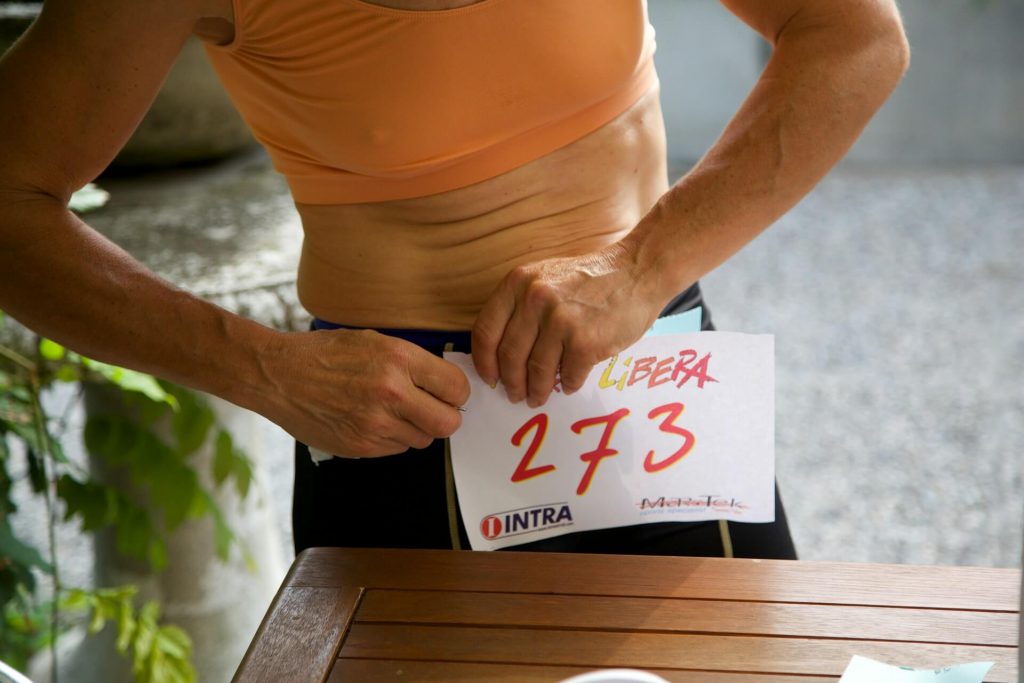
- Pin your number correctly: Chip timing is usually via a tag on your shoe or a strip attached to your race number. Check the instructions. Getting this wrong is a special kind of bad day.
- Fuel early and often: Take on nutrition from around mile 6-8, not when you feel terrible at mile 18. By then it’s too late for the gels to help.
- Pace conservatively from the start: The first few miles will feel easy. That’s a trap. Stick with your pacer or your target pace and ignore the people sprinting past you in the first kilometre.
- Check the weather forecast: UK weather in April or May can range from warm sunshine to sleet. Have a plan for both. A thin bin bag doubles as an effective throwaway windbreaker before the start.
- Know the course: Download the route to your running app or GPS watch in advance so you know when the tough miles are coming.
What to Expect on the Day
The start of a mass participation marathon is genuinely one of the more overwhelming experiences in recreational sport. Thousands of people, an atmosphere somewhere between a village fete and a religious gathering, and an almost universal feeling of having definitely undertrained. You haven’t. Well, probably not. Start conservatively, take in the atmosphere, and try not to get swept along by the crowd pace in the early miles.
Miles 18-22 are where most first-timers meet what Runner’s World and others describe as “the wall” – the point where glycogen stores run low and everything suddenly feels extremely personal. Good race-day nutrition, a steady early pace, and solid training are your defences here. It’s also where the crowd support genuinely earns its keep, which is another strong argument for choosing a well-supported race as your first 26.2.
Cross the finish line, collect your finisher medal (probably the best piece of bling you’ll ever own, let’s be honest), find your bag, eat everything in sight, and start telling everyone you know that you’re a marathon runner. You’ve earned it.
If you want to know what race day really feels like before you’ve done one, this half marathon first-timer guide covers the same emotional rollercoaster at a slightly shorter distance.
Flat Marathons UK: Why Course Profile Matters More Than You Think
For a beginner marathon UK runners should be prioritising course profile above almost everything else, especially if you have a target finish time in mind. The difference between a flat marathons UK course and one with 500m of elevation gain is enormous when you’re already running the furthest you’ve ever run.
As a rough guide: courses under 100m of total elevation gain are considered flat. Manchester, Milton Keynes, and the coastal sections of Edinburgh all sit comfortably in that bracket. London has a little more undulation than its reputation suggests, but nothing that should worry a well-trained beginner.
Avoid, at least for your first attempt, races like the fell and trail events or anything marketed as “challenging” in its race description. There will be time for those after you’ve got a finisher medal from something manageable. The easiest marathons UK beginners can enter are the flat, road-based city events listed in this guide.
Frequently Asked Questions
What is the easiest marathon to run in the UK for a complete beginner?
Manchester Marathon is widely regarded as one of the easiest marathons UK beginners can enter, thanks to its very flat course, excellent pacers, strong crowd support, and open entry system. Milton Keynes Marathon is another strong option for similar reasons, with the added bonus of being less heavily subscribed so you’re less likely to miss out when entries open.
How long does it take to train for a first marathon UK?
Most beginner marathon training plans run for 16 to 20 weeks. If you can currently run 5K comfortably, you’re probably looking at the longer end of that range. If you’re already running regularly and completing 10K distances without difficulty, a 16-week plan should be sufficient. The key is consistency over weeks, not heroic individual sessions. Build your long run gradually and don’t skip the easy miles – they matter more than you think.
Do I need to qualify to enter most UK marathons?
Most UK marathons covered in this guide operate on an open entry basis – you pay your entry fee and you’re in, provided places are still available. The notable exception is the London Marathon, which uses a ballot system for general entries. You can also access London through a charity place, a Good For Age entry (if you’re fast enough), or as part of a running club allocation. For everything else, set a calendar reminder for when entries open and move quickly.
What should I eat the night before my first marathon?
The pre-race dinner is one of the most overly agonised decisions in amateur sport. Carbohydrate-rich but not unfamiliar is the general advice – pasta, rice, or bread with something simple. Avoid anything new, spicy, or high in fibre that you haven’t trained on. Eat earlier than you think you need to (aim for 6-7pm the night before an early morning start), and don’t go overboard with volume. You’re topping up glycogen stores, not bulk-loading. The NHS nutrition guidance has solid baseline advice on carbohydrate intake.
Can I walk during a beginner marathon in the UK?
Absolutely, yes. The vast majority of UK marathons have generous cut-off times of six hours or more, and there is zero shame in a run-walk strategy. In fact, many coaches recommend planned walking intervals as a legitimate beginner marathon UK strategy that can actually help you finish faster than trying to run the whole way and blowing up at mile 20. If the wheels come off in the second half, walk the aid stations, take on fuel, and keep moving. Finishing is finishing. The medal is the same.
The Verdict
If you’re looking for the best UK marathons for beginners, you genuinely can’t go wrong with Manchester or Chester for open-entry flat options, Edinburgh if you want scenery and a coastal breeze (or headwind, 50/50), and London if you fancy years of ballot disappointment before the glorious payoff of running past a million cheering strangers.
This guide is best for: runners tackling their first or second marathon who want a manageable course, good atmosphere, and a finish line experience that doesn’t end in an ambulance. It’s less suited to experienced runners chasing GFA times or people who find city road running boring (both valid, both needs met elsewhere).
- Manchester: best all-round first marathon, very flat, April
- London: best atmosphere, ballot-only, prepare for the wait
- Milton Keynes: best hidden gem, genuinely flat, open entry
- Edinburgh: best scenery, coastal course, sort your return transport
- Chester: best autumn option, beautiful city, thins out in later miles
Whichever race you pick, get your training right and you’ll be fine. For practical help getting there, the first-timer race day guide on The Easy Run is a good place to start.