Parkrun Volunteer Roles Explained: What You’re Actually Signing Up For
Table of Contents
Right, let’s get one thing straight before we go any further: parkrun volunteer roles are not a punishment. I know it can feel that way when you’re stood at mile two of a marshalling shift in January drizzle, wondering why you didn’t just have a lie-in. But once you know what each job actually involves, the timings, and (crucially) which roles still let you move your legs, volunteering stops being a mystery and starts being the best free ticket to Saturday morning smugness going.
Parkrun Volunteer Roles: The Full List (And What They Actually Involve)
Every event runs on a skeleton crew of jobs that simply must be filled, plus a longer list of “nice to haves” that make the morning run smoother. Here’s the breakdown, straight from parkrun’s own official volunteer roles guidance, translated out of committee-speak and into something a normal human being can actually picture themselves doing.
The compulsory roles (every single week, rain or shine)
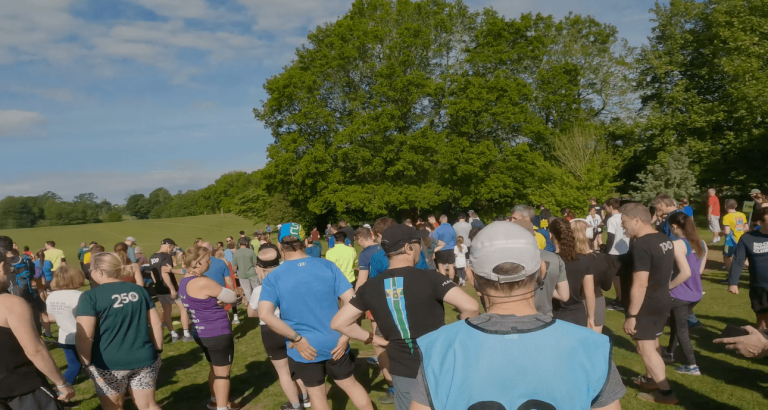
- Run Director: The person with the clipboard and the whistle, ultimately responsible for whether the event goes ahead, gets shortened, or gets pulled entirely because a tree fell over. They deliver the pre-event brief, welcome first-timers, and cannot do any other job or take part themselves while on duty.
- First Timers Welcome: Chatting to nervous newbies before the off, explaining the course, and generally being the friendly face that stops someone bottling it and going home.
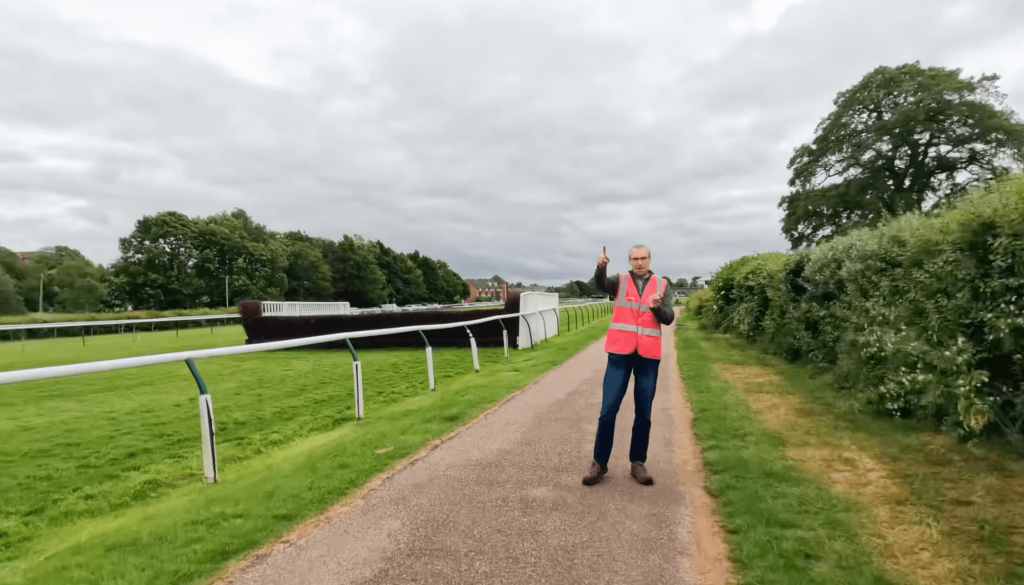
- Event Day Course Check: A quick walk or jog of the route just before start time to check nothing dodgy (loose paving, a stray dog walker, an unimpressed swan) has appeared overnight.
- Timekeeper: Records every finish time using the Virtual Volunteer app. Most events run two timekeepers as backup, because phones do occasionally die at the worst possible moment.
- Finish Tokens: Hands out the little numbered position tokens as people cross the line, usually while dodging a fair amount of heavy breathing.
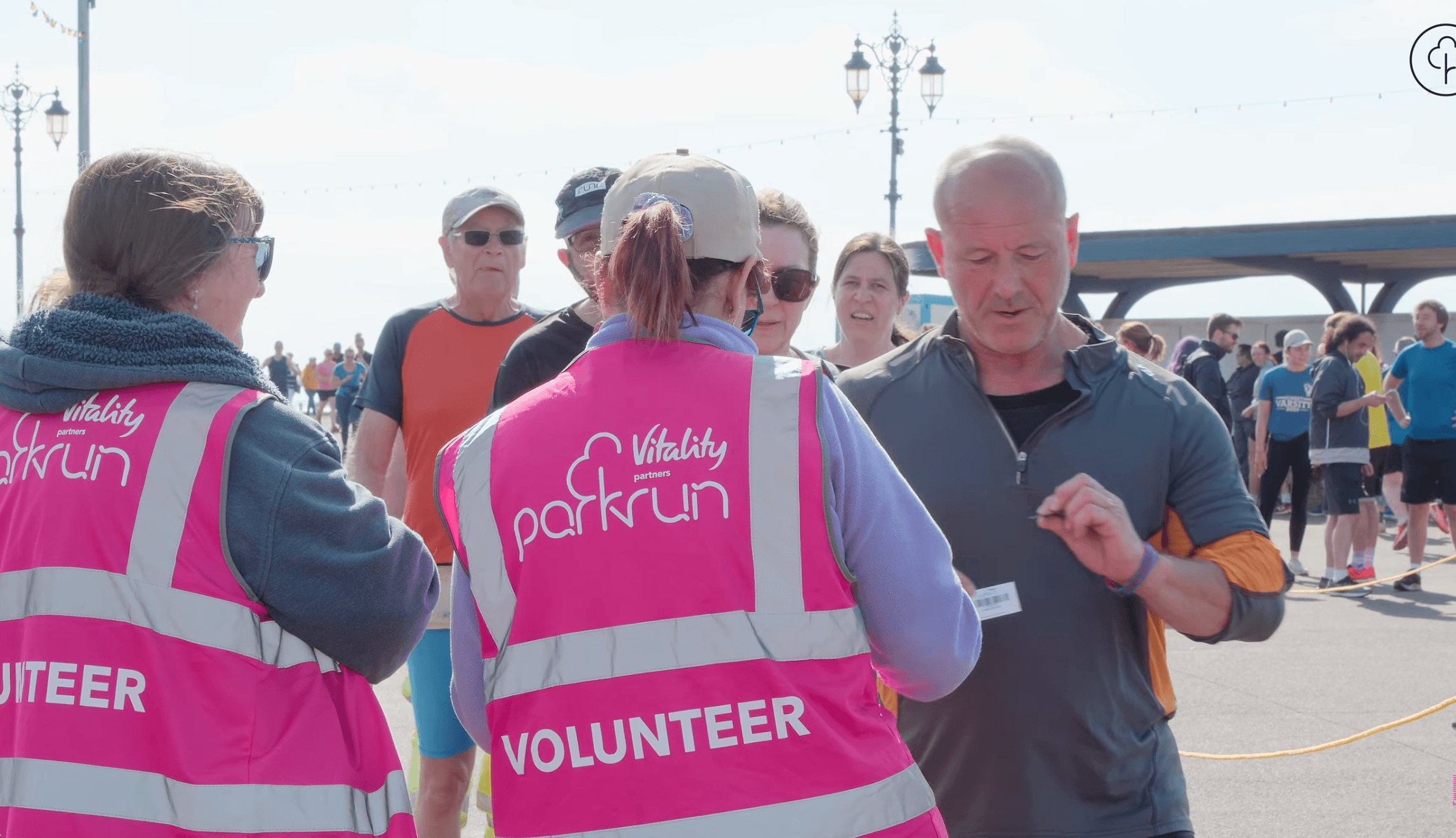
- Barcode Scanner: Scans your personal barcode, then your finish token, so you actually get a result instead of an email telling you that you don’t exist.
- Tail Walker: Stays right at the back of the field so nobody is left behind or unaccounted for. One of the genuinely sociable jobs on this list.
The extra roles that make the whole thing tick
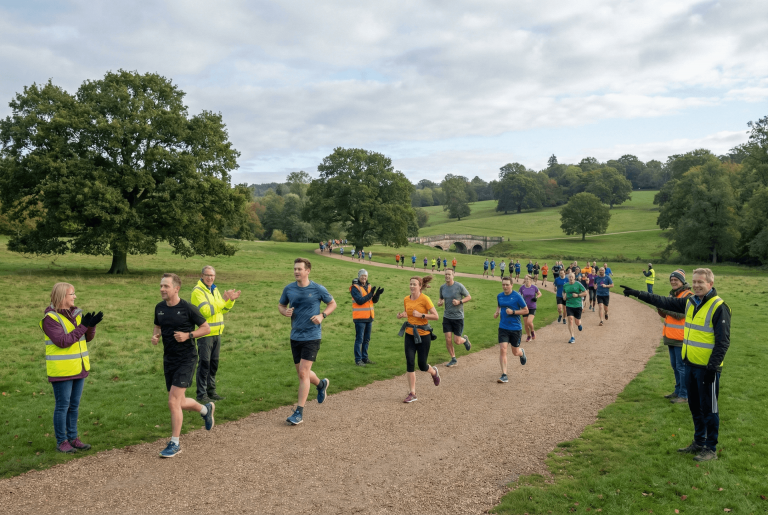
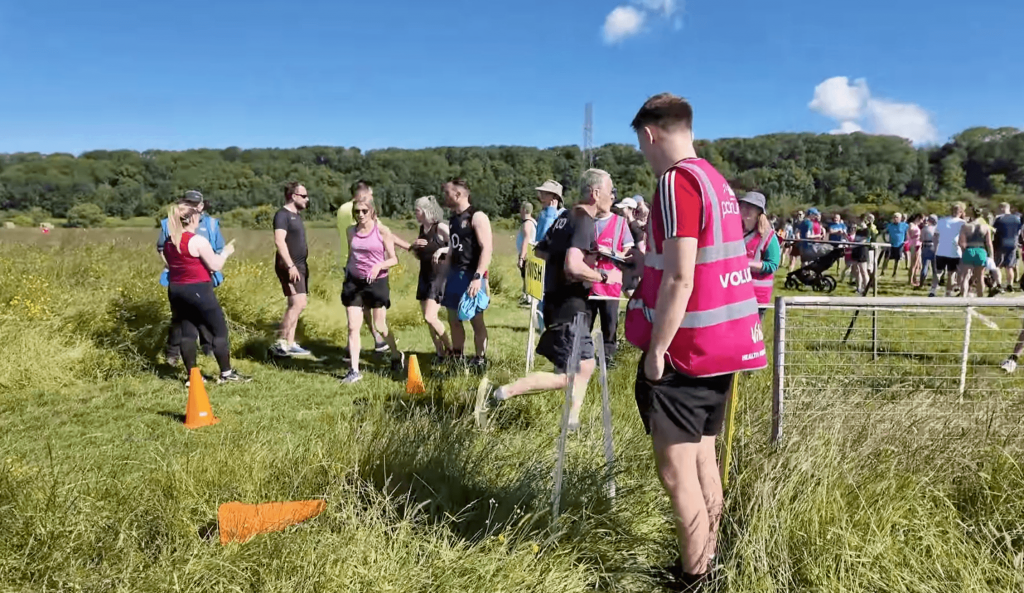
- Marshal: Stationed around the course pointing people the right way, warning about hazards, and offering the sort of relentless encouragement that either lifts you or makes you want to throw your trainers at them.
- Funnel Manager: Keeps the finish funnel moving so there’s no pile-up of knackered runners.
- Pre-event Setup and Post-event Close Down: Cones, signs, gazebos, and the finish funnel, put up before 9am and packed away afterwards. Not glamorous. Genuinely essential.
- Photographer: Captures the event for social media, must wear hi-vis and register properly with the Run Director.
- Volunteer Coordinator: Fills the weekly roster and chases people up, often without ever setting foot at the event itself.
- Number Checker and Results Processor: Cross-reference the finish tokens against the times, then submit results to parkrun HQ.
- parkwalker: Similar spirit to a Tail Walker but positioned ahead of them, giving support to those walking the course.
This is where a decent grasp of parkrun etiquette pays off, because knowing the unwritten rules of the course makes it far easier to spot when a marshal or Tail Walker actually needs a hand.
Parkrun Volunteering Guide: Timings and What Actually Happens on the Day
Most UK events kick off at 9am in England and Wales, with Scottish events traditionally starting half an hour later at 9:30am. But volunteering means you’re not rolling up five minutes before the gun. Setup crews are often on site by around 7:45 to 8am, cones need placing, the finish funnel needs building, and the timekeeping kit needs testing before a single trainer hits the tarmac.
The event itself lasts as long as your slowest finisher takes to complete 5km, typically somewhere between 20 and 45 minutes depending on the course and the weather. After that comes close down: kit away, tokens sorted, and (if you’re lucky) a well-earned bacon roll at the post-parkrun cafe. All in, most parkrun volunteer roles are a two-hour commitment from arrival to leaving the car park, which is roughly the same as a long training run, minus the actual running.
How to Volunteer at Parkrun: Getting Yourself on the Roster
Getting started is refreshingly low-faff. You’ll need to be a registered parkrunner with a barcode (this is a safeguarding requirement, not admin for the sake of it), and from there you’ve got two options.
- Check your local event’s volunteer roster online in advance and let the Volunteer Coordinator know you’re free, either through the event’s contact page or by messaging them directly.
- Simply turn up on the day, find whoever’s wearing the “Run Director” bib, and ask if they need an extra pair of hands. Events almost never turn away an offer to help.
Most parkrun volunteer roles are filled on a first-come, first-served basis through the roster, so getting your name down a few days early is the easiest way to bag whichever job takes your fancy rather than being handed whatever’s left.
If your usual Saturday morning is currently spent chasing a decent age grading percentage, swapping one week for a volunteering shift is a genuinely good way to bank some rest without losing the ritual of getting up and going outside.
Parkrun Roles You Can Run: Getting Your Fix While Still Helping Out
Here’s the bit most people actually want to know. Unlike a chip-timed race day where your time is the whole point, most parkrun volunteer roles don’t earn you a finish time at all. But there are two genuine exceptions where you get both a volunteer credit and a walk or run credit, provided you remember your barcode.
- Tail Walker: You cover the full 5km at the back of the field, at whatever pace keeps you with the last participant. It’s not a PB attempt, but it counts.
- parkwalker: Positioned ahead of the Tail Walker, supporting those who are walking rather than running, and also eligible for a walk or run credit.
Everything else, from marshalling to scanning barcodes, is a stand-and-support job rather than a move-your-body one, though you’ll usually still clock up a decent step count just getting to your post and back. If you’re mid parkrun training plan and worried about losing a session, a Tail Walker shift is genuinely the closest thing to an easy recovery run you’ll find on a volunteer roster.
Here’s how five of the most commonly requested parkrun volunteer roles stack up against each other, so you can pick one that actually suits your Saturday mood:
| Role | Typical Commitment | Physical Effort | Still Get Moving? | Beginner-Friendly Score |
|---|---|---|---|---|
| Run Director | Approx. 90 minutes | Low to moderate | No (can’t run or double up on another role) | 3/5 |
| Marshal | Approx. 45 to 60 minutes | Low (mostly standing) | No official credit, though you’ll walk to your post | 5/5 |
| Timekeeper | Approx. 30 to 40 minutes | Low | No | 4/5 |
| Barcode Scanner | Approx. 30 to 40 minutes | Low | No | 4/5 |
| Tail Walker | Approx. 30 to 45 minutes | Moderate (full course) | Yes, walk or run credit if barcode scanned | 5/5 |
Parkrun Run Director Duties (And Why It’s Not a Role for Your First Week)
The Run Director carries overall responsibility for safety and has the final call on whether an event goes ahead, gets adjusted, or gets cancelled entirely. They deliver the pre-event brief, welcome first-timers and visitors, thank the rest of the volunteer team, and stay near the start or finish for the whole morning. Crucially, a Run Director cannot take part as a runner or walker, and cannot combine the role with any other volunteer job on the same day. Anyone under 18 can still take it on, but only alongside an adult Run Director. It’s a brilliant role once you know the ropes, and a genuinely stressful one to attempt cold, so most events understandably ask newer volunteers to shadow an experienced Run Director first, in much the same way a club might pair up new marshals for their first go at course duties.
There’s also decent evidence that stepping into any of these roles is good for more than just your parkrun stats. The NHS’s five steps to mental wellbeing specifically flags “giving” and community involvement as a genuine boost to mood and connection, and a Saturday morning spent marshalling ticks that box rather nicely. If you fancy logging your Tail Walker shift as a proper outing, it’s easy enough to record the route on Strava afterwards too.
Frequently Asked Questions
Do I need any experience to volunteer at parkrun?
No. All parkrun volunteer roles are explained on the day by an experienced team member, and nobody expects you to know what you’re doing the first time. Turn up, ask, and someone will talk you through it.
Can I still get a parkrun time if I volunteer?
For most roles, no, since your focus is on the job rather than the clock. The exceptions are Tail Walker and parkwalker, both of which earn a walk or run credit alongside your volunteer credit, provided you bring your barcode to be scanned.
How do I sign up to volunteer at my local parkrun?
Check the volunteer roster on your event’s parkrun page and get in touch with the Volunteer Coordinator in advance, or simply turn up on the morning and ask whoever is running the show. Events genuinely never turn away willing hands.
What should I wear or bring as a volunteer?
A hi-vis vest is provided for roles like marshalling, but otherwise treat it like any other outdoor morning: layers, decent trainers, and a coat you don’t mind standing still in for half an hour.
Is there a minimum number of times I have to volunteer?
None at all. There’s no obligation and no pressure, though many regulars end up chasing volunteer milestones (25, 50, 100 times and beyond) purely for the fun of it.
The Verdict
Parkrun volunteer roles are, on balance, one of the better ways to spend a Saturday morning that doesn’t involve your legs doing all the work. It’s ideal if you’re injured, tapering, easing a mate into their first visit, or simply fancy a change from staring at your Garmin. It’s less ideal if you despise small talk, can’t cope with early starts, or genuinely cannot stand still in the cold without sulking, in which case stick to Tail Walker duty where at least you’re moving.
- Most roles take about two hours, start to finish
- No experience needed for any job on the roster
- Tail Walker and parkwalker are the only roles that bank you a run credit too
- Sign up in advance through your event’s roster, or just turn up and ask
Fancy giving it a go this weekend? Have a browse of our guide to parkrun tourism around the UK first, pick a course that fancies a volunteer, and get yourself on the roster.