First Parkrun What To Expect: The Ultimate Beginner’s Survival Guide
Table of Contents
Right, let’s get this out of the way. You’ve signed up, it’s Friday night, you’ve googled first parkrun what to expect for the fourth time, and your stomach is running its own interval session. Good news: it’s 5km (3.1 miles), it’s free, and nobody is judging your trainers. Mostly. Here’s the full 8:50am briefing to 9:00 start rundown, with the downsides left in.
First Parkrun What to Expect: The 60-Second Version
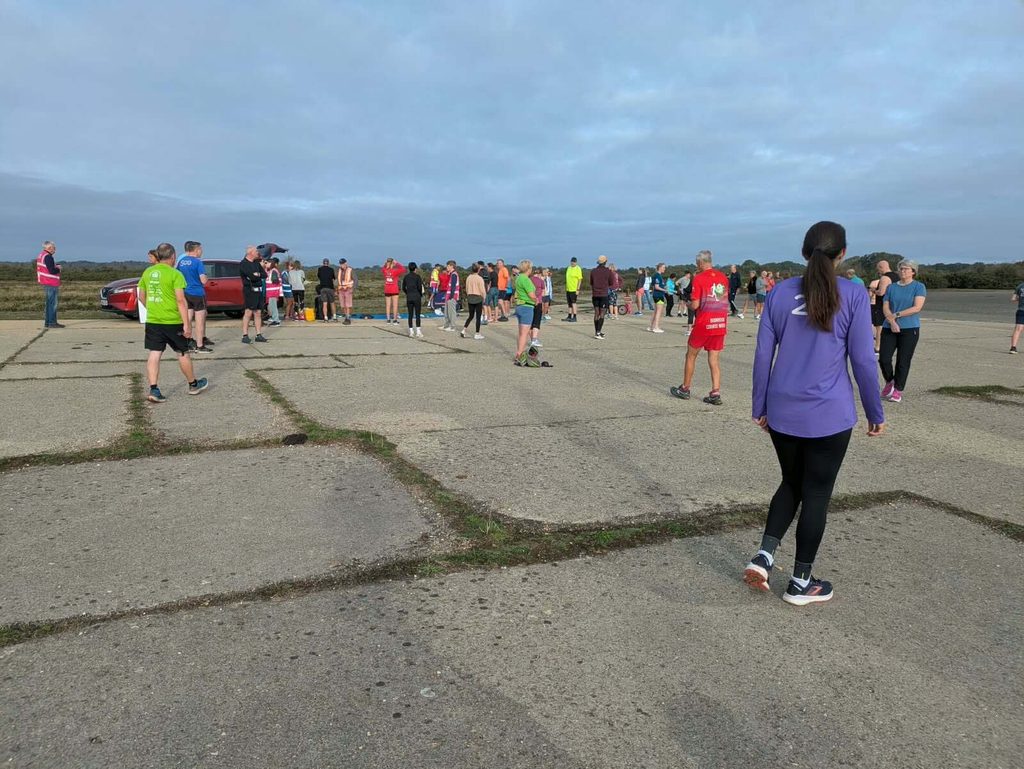
parkrun is a free, timed 5km run, jog or walk held at 9am on Saturday mornings in parks all over the UK. It started at Bushy Park in Teddington in 2004 with 13 runners and has since become the nation’s favourite excuse to be upright before 10am at the weekend.
It is not a race. There’s no finisher medal, no ballot, no GFA entry, no charity place and certainly no 26.2 miles of existential dread. Just a park, a few hundred people in assorted Lycra, and volunteers in hi-vis who’ve given up their Saturday so you can wheeze in peace. That’s the short answer to what happens at parkrun. The rest of this guide is the detail, including the bits other blogs skip, like the loo queue and the mid-run wobble.
The Night Before: Admin You Can’t Skip
Boring, but it matters. Do this on Friday and Saturday-morning-you will send a thank-you note.
- Register once on the parkrun website (free) and print your personal barcode, then print a spare because you will lose one
- Check your event page for the start spot, parking and any course changes
- Lay out your kit, including a layer you can tie round your waist
- Eat something familiar for dinner and breakfast, because experimenting on race day is how you meet the hedgerow
- Set two alarms and use both
No barcode, no time. Your effort still happened, but the results page will politely pretend otherwise.
Minute by Minute: The 8:50am Briefing and 9:00 Start
Here’s the first parkrun what to expect timeline as it usually plays out. Events vary a little, so treat the times as a guide, not a contract.
8:15am to 8:40am: Arrive, Faff, Queue for the Loo
Aim to arrive 30 to 40 minutes early. Parking at popular parks fills up faster than you’d think, and the toilet queue has its own weather system. You’ll spot the regulars instantly: calm, chatty, one hand wrapped round a flask. You’ll look like someone who has read three articles about warming up. Do a gentle jog and a few leg swings, then stop. Nobody has ever run a good 5km on the back of a heroic hamstring stretch.
8:45am: Find the First-Timers Chat
Many events gather newcomers shortly before the main briefing. Look for someone holding a sign, wearing a first-timers vest or being mobbed by nervous people. The volunteers explain the course, the finish funnel and what to do with your barcode. It’s the single best five minutes of your morning, and nobody laughs at your questions.
8:50am: The Briefing
The run director welcomes everyone, reads out any course changes, thanks the volunteers and celebrates milestones, birthdays and the odd visiting tourist. Listen properly. This is where you learn about the muddy bit, the sharp turn and the marshal who’ll shout encouragement at you with alarming enthusiasm. Applaud the volunteers. They’re doing a brilliant job, and our guide to parkrun volunteer roles explains exactly what they’re up to.
8:58am: Lining Up Without Being That Person
Faster runners go near the front. Walkers, buggies and nervous first-timers go towards the back. Some events have volunteer pacers holding target times, which the briefing will mention. Don’t start at the front to feel brave, because you’ll be flattened by a stampede of club vests in about eight seconds. Our running etiquette guide for parkrun covers the rest of the unspoken rules.
9:00am: Go (Kilometre One)
The run director says go, and the crowd surges forward like the last bus home. Everyone sets off too fast, including you. Hold back, breathe and let the field untangle itself. If your first kilometre feels laughably easy, brilliant. That’s the plan.
9:10am to 9:30am: The Wobble and the Finish Funnel
Somewhere around kilometre three, the wobble arrives. Legs heavy, doubts loud, the café suddenly seems very far away. Walk if you need to, then jog again. Marshals will cheer you on, and so will total strangers. At the end you’ll be funnelled into a single line and handed a finish token with a position number. Keep hold of it. Losing it is the quickest way to ruin an otherwise lovely morning.
9:30am Onwards: Scan, Café, Results
Find a volunteer with a scanner and have your barcode scanned alongside your token. Then follow the crowd to the café, because parkrun’s real purpose is the post-run brew and a flapjack. Results usually land in your inbox later that day. If you wore a watch from Garmin and shared it to Strava, you’ll have your own numbers too, though the official time is the one that counts.
Which Course Type Will Your First Parkrun Be?
Not every parkrun is a flat tarmac path with a nice view. Courses vary wildly across the UK, and your local one will shape your time more than your training plan. Here’s how the common types compare.
| Course Type | Typical Surface | Winter Mud Risk | Effect on Finish Time | Beginner-Friendly Score |
|---|---|---|---|---|
| Flat park path | Tarmac or compacted gravel | Low | Fastest, PB territory | 5/5 |
| Multi-lap park loop | Mixed path and grass | Medium | Predictable and easy to pace | 4/5 |
| Trail or woodland | Dirt, roots and leaves | High | Slower by a minute or three | 3/5 |
| Hilly or cross-country | Grass, slopes and mud | Very high | Much slower, PBs are rare | 2/5 |
Check the event page for a course map and surface notes before you commit. If it says cross-country, bring trainers you don’t love.
First Parkrun Tips: Kit, Pacing and Etiquette
These first parkrun tips come from years of getting it wrong in public.
- Wear trainers you’ve already broken in, because new shoes at 9am are a blister waiting to happen
- Dress for the finish line, not the car park, and ditch the bin bag unless it’s genuinely bucketing
- Carry keys and phone in a running belt rather than a death grip
- Start slower than feels sensible and speed up in the final kilometre if you’ve got anything left
- Say thank you to every marshal, because it costs nothing and they remember
- Move to the side if you stop to walk, and don’t stop dead in the finish funnel
- Skip the headphones if the course is busy, so you can hear marshals and overtaking runners
For wider kit and training advice, Runner’s World UK is a solid next stop.
Parkrun for Beginners: Walking, Pace and Realistic Expectations
If you’re a total newcomer, here’s the honest truth about parkrun for beginners: nobody cares how fast you are. Walkers are welcome. Run-walkers are everywhere. A volunteer tail walker brings up the rear, so you can never be properly last, which is a genuine comfort when your lungs are filing a complaint.
Most people finish somewhere between 20 and 40 minutes. There’s no chip time at parkrun, just a stopwatch and your barcode, so the numbers are friendly rather than forensic. If you want a structured route in, the NHS Couch to 5K plan is a gentle way to build up, and plenty of people use parkrun as their graduation run.
Curious what counts as a decent time? Our breakdown of a good parkrun time for your age will put things in perspective. Chasing a PB comes later, and when it does, this guide to parkrun PB chasing keeps you sensible. For more training-world reading, Athletics Weekly is well worth a browse.
What Happens at Parkrun Once You’re Hooked
It’s a slippery slope. One Saturday becomes ten, then someone hands you a volunteer hi-vis and you’re scanning tokens like a pro. Soon you’re counting towards a milestone t-shirt, and by autumn you’re planning a trip to a cliffside course for some parkrun tourism. This is normal. We’ve all done it.
Frequently Asked Questions
Do I need to register before my first time at parkrun?
Yes. Register once on the parkrun website (it’s free), print your barcode and bring it every time. Without it you can still run, but you won’t get an official time. Your legs will know what happened. The results page won’t.
Is parkrun a race, and do I need to be fast?
No to both. It’s a timed run, not a race, and walkers, joggers, buggy pushers and sub-20 speedsters all share the same course. A tail walker finishes last, so you’ll never be properly last. Most people finish somewhere between 20 and 40 minutes.
What should I wear to my first parkrun?
Whatever you’d normally run in, adjusted for the weather. Shorts and a tee in summer, layers, gloves and a cap in winter. Wear trainers you’ve already broken in, and if the course is trail or grass, expect mud. No club vest required, however tempting.
Can I bring my dog or a pushchair?
At many events, yes, but rules vary by course, so check your event page first. Dogs generally need to be on a short lead and under control, and pushchairs are best placed towards the back of the field at the start.
When do I get my result?
Usually by email later the same day, once the volunteers have scanned and processed everything. If nothing turns up, check that your barcode was scanned and contact the event team through their page.
The Verdict
Right, the honest bit. Your first parkrun suits beginners, returners, nervous walkers and anyone who needs a gentle reason to leave the house on a Saturday. It’s friendly, free and ridiculously well organised.
Who should avoid it? Anyone after a chip time, a finisher medal or a quiet solo run. It’s busy, the 9am start is unforgiving, the loo queue builds character, and a muddy course will ruin your white trainers. Ask me how I know.
- Register, print your barcode and check the event page the night before
- Arrive by 8:30am, hit the loo, then catch the briefing at 8:50am
- Start near the back and go out slower than feels sensible
- Guard your finish token and expect results by email later that day
Ready for the next step? Read our guide to running etiquette at parkrun so you line up like a regular, then browse more parkrun guides on The Easy Run.